

Heart
After a heart attack, and congestive heart failure.
3D illustrationNaturally occurring repair cells that travel to injured tissue on their own.
Muse cells live in bone marrow, blood and connective tissue. Dr. Mari Dezawa’s team at Tohoku University discovered them in 2010.
Researchers spot them by a surface marker called SSEA-3. They move with the flow of blood until something calls them.
Damaged cells release a signal molecule called S1P, short for sphingosine-1-phosphate. It spreads from the injury into the blood.
Muse cells sense S1P through a receptor called S1PR2. They leave the flow and move toward the source of the signal.
In lab studies, Muse cells that reach damaged tissue can change into the cell types found there, from nerve to muscle to liver.
Muse cells are given by IV. These are the areas our Muse cell program covers. Each card is a 3D illustration of the tissue involved.
After a heart attack, and congestive heart failure.
3D illustrationChronic kidney disease and renal failure, stages 1 to 4.
3D illustrationFibrosis, cirrhosis and fatty liver disease (NAFLD and NASH).
3D illustrationPancreatitis.
3D illustrationParkinson’s, Alzheimer’s, stroke, ALS and traumatic brain injury.
3D illustrationAn anti-aging IV protocol.
3D illustrationCan form cells of many different tissue types.
Changes into specialized cells, such as nerve, muscle or liver cells.
Survives harsh conditions like low oxygen and missing nutrients.
Every plan starts with a review of your medical history by our doctors.
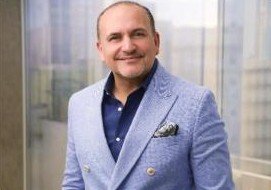

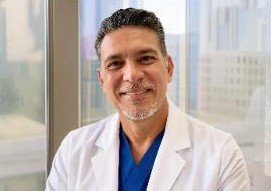
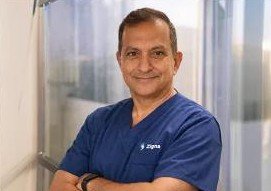
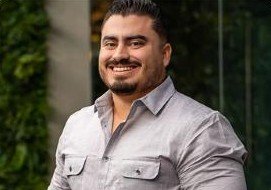
Practiced general and cosmetic surgery in Canada for more than 25 years before turning to regenerative medicine. Joined ZignaGenix as a consulting physician and researcher.
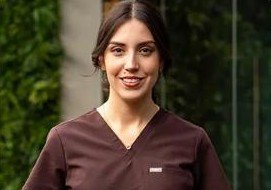
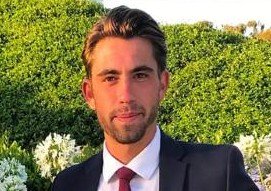
Looks for the root cause behind complex conditions and builds a personal plan for each patient, using stem cell, PRP, exosome and peptide care.
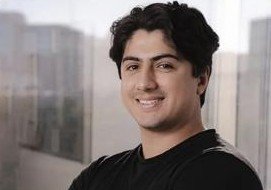
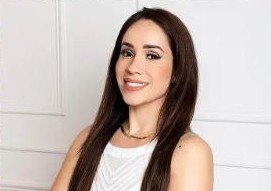
Designs personal treatment protocols with mesenchymal stem cells and natural killer cells, and oversees IV and interventional therapies.

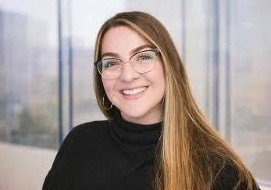
A patient coordinator will talk through your history, your goals and whether you’re a candidate.
Book a free consultation